
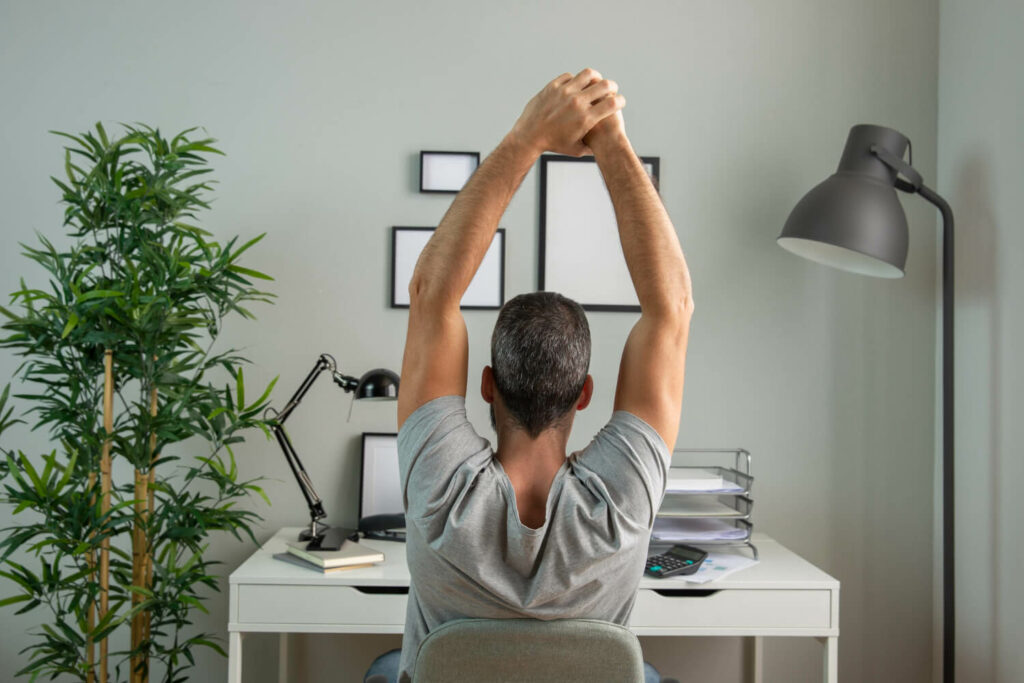
The time you can say NO to your boss
What's going on in the Ergonomic world
Check out the latest news


My Favorite Molten Chocolate Cake
Optimizing Work and Break Routines: The 20-20-20 Rule and Essential Exercises for Screen Workers
In today's digital world, many professionals spend hours in front of screens, leading to eye strain, muscle tension, and reduced productivity. Implementing structured work and break routines can significantly improve focus, well-being, and efficiency. Two essential strategies for mitigating the negative effects of prolonged screen time are the 20-20-20 rule and incorporating movement exercises into daily work routines.
The 20-20-20 Rule: Protecting Your Eyes
The 20-20-20 rule is a simple yet effective guideline designed to reduce digital eye strain. The principle is straightforward: Every 20 minutes, take a break from your screen. Look at something 20 feet (about 6 meters) away. Maintain your gaze for 20 seconds. This routine helps alleviate eye fatigue, dryness, and discomfort by allowing the eye muscles to relax and refocus. Staring at a screen for long periods forces the eyes to work harder, reducing blink rates and leading to dryness. Following the 20-20-20 rule ensures that your eyes get the necessary relief, preventing long-term vision problems and enhancing comfort.
Movement Exercises and Stretching for Screen Workers
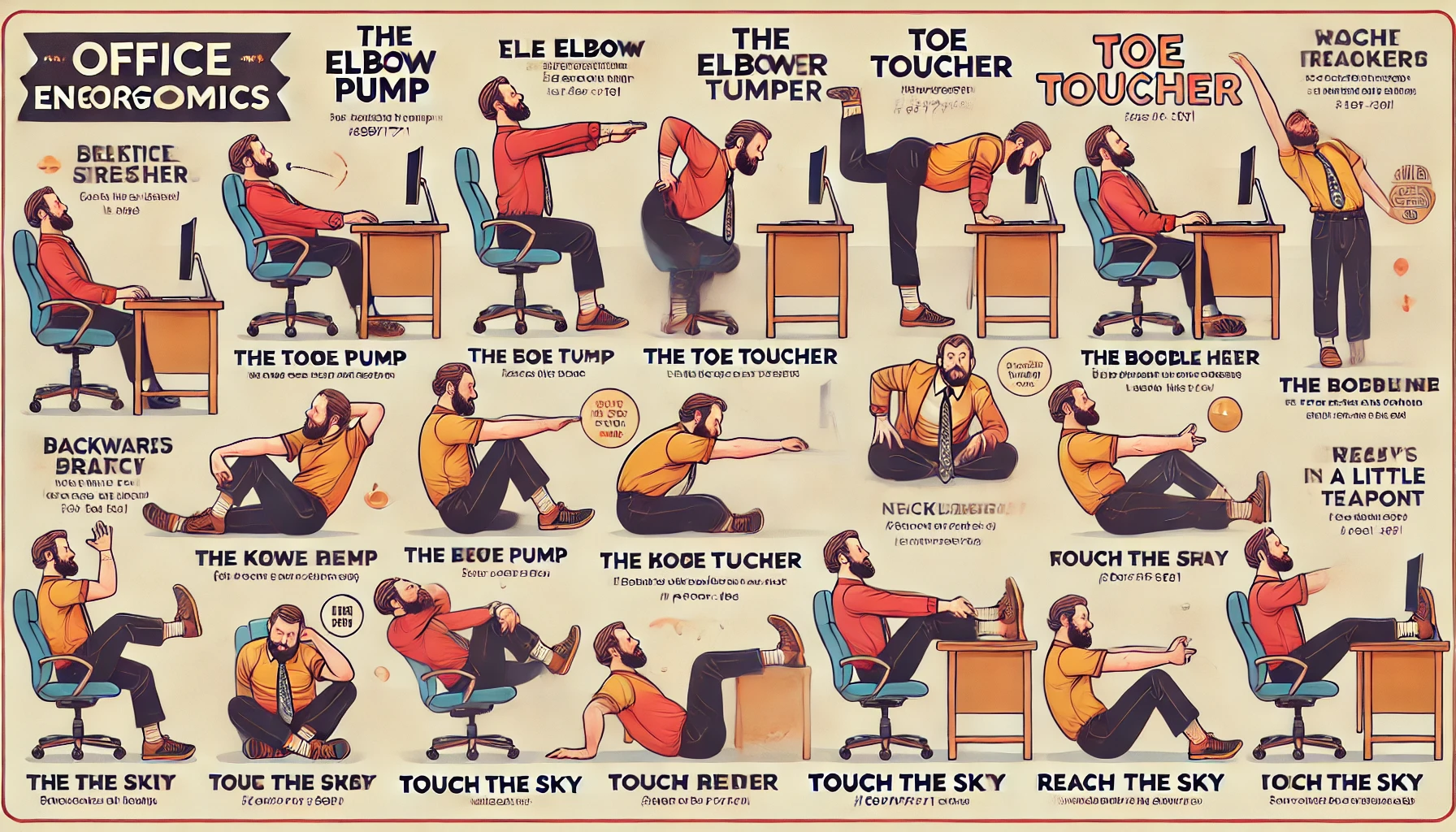
Sitting for prolonged hours can cause stiffness, poor posture, and musculoskeletal discomfort. Incorporating movement exercises and stretching into your work routine can improve circulation, reduce tension, and prevent repetitive strain injuries. Below are some simple exercises to integrate into your workday:
1. Neck and Shoulder Stretches
Neck Tilt: Slowly tilt your head toward one shoulder and hold for 10-15 seconds. Repeat on the other side. Shoulder Rolls: Roll your shoulders forward and backward in circular motions to release tension.
2. Wrist and Hand Exercises
Wrist Flexor Stretch: Extend one arm forward, palm facing up. Use the other hand to gently press the fingers downward. Finger Stretch: Spread your fingers wide and hold for a few seconds before relaxing.
3. Back and Posture Exercises
Seated Spinal Twist: Sit upright, place one hand on the opposite knee, and gently twist your torso. Chest Opener: Clasp your hands behind your back and lift them slightly to stretch the chest and shoulders.
4. Leg and Lower Body Movements
Seated Leg Extensions: While sitting, extend one leg straight out and hold for a few seconds before switching. Calf Raises: Stand up and raise your heels off the ground, then lower them slowly.
Making Work Breaks a Habit
To make these routines effective, consider setting reminders or using apps that prompt you to take breaks. Integrating these habits into your daily schedule will lead to better focus, reduced discomfort, and improved overall health. By following the 20-20-20 rule and incorporating movement exercises, screen workers can maintain both productivity and well-being throughout the workday.